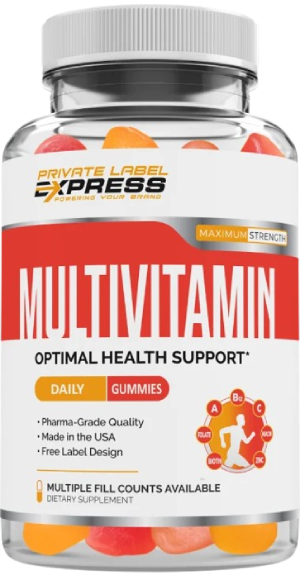
White Label vs.
Private Label
vs.
Contract Manufacturing

Learn the difference between White Label, Private Label, and Contract Manufacturing, and discover which approach is right for your brand.

White Label

Best for: fast launches, low MOQs, testing the market

White label products are pre-formulated, ready-to-brand supplements. The formula already exists and is sold to multiple brands.

Key features:
  • Pre-made formula
  • Minimal or no customization
  • Lowest MOQs
  • Fastest lead times
  • Multiple brands can sell the same formula under different labels
Example: A standard Magnesium Glycinate 200mg capsule that you brand with your own label and packaging.

Private Label

Best for: light customization without full R&D costs

Private label sits between white label and contract manufacturing. You're typically starting with an existing formula, but you may be able to make limited adjustments.

Key features:
  • Based on an existing formula
  • Some flexibility (dosage tweaks, ingredient swaps, branding)
  • Moderate MOQs
  • Shorter lead times than full custom manufacturing
  • Formula is not necessarily exclusive unless stated
Example: A men's health formula where you adjust ingredient dosages or remove one ingredient while keeping the base formulation.

Contract Manufacturing

Best for: brands wanting full ownership and differentiation

Contract manufacturing involves creating a fully custom formula from scratch or from a detailed specification you provide. This option offers the highest level of control and exclusivity.

Key features:
  • Fully custom formula
  • You own the formulation
  • Highest MOQs
  • Longer lead times
  • Highest upfron investment
  • Ideal for patented, proprietary, or clinically positioned products
Example: A proprietary testosterone support formula developed specifically for your brand, not sold to any other company,


What New Supplement Brands Usually Start With

These categories always perform well across different platforms.

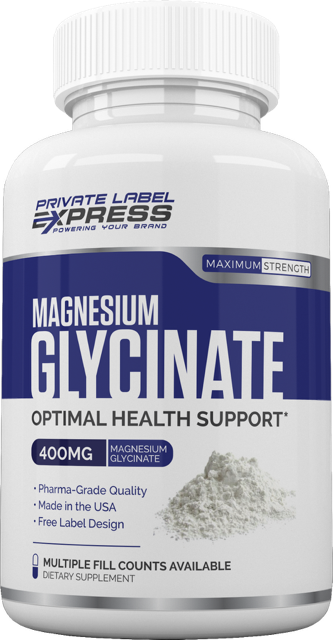
Magnesium Glycinate

Promotes relaxation, sleep quality, and muscle function with a highly absorbable form of magnesium.
Learn More

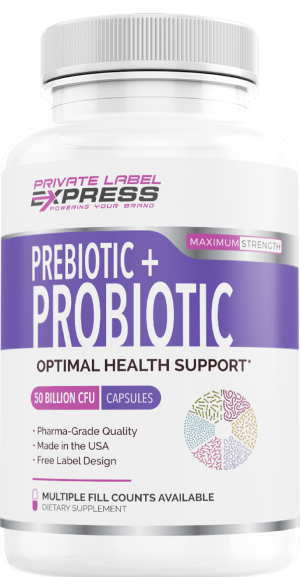
Probiotics 50B CFU

Helps support digestive balance, immune health, and overall gut function.
Learn More

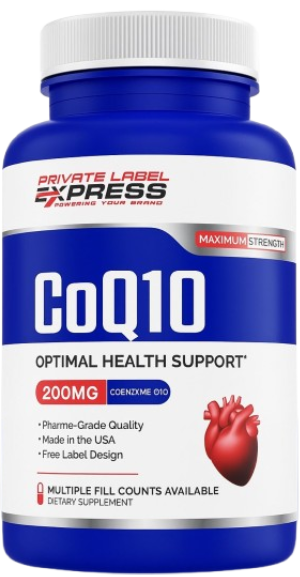
CoQ10

Helps support heart health, cellular energy production, and antioxidant protection.
Learn More

Multivitamins

Daily essential nutrients to support energy, immunity, and overall health.
Learn More

Compliance Basics Every Brand Should Know

Correct Supplement Facts Panel

Make sure your serving size, ingredient amounts, and formatting meet FDA requirements so your label is accurate and compliant.

No Disease Claims

Avoid claiming your product can treat, prevent, or cure diseases — supplemens cannot legally make such statements.

Required Warnings

Include all mandatory cautionary statements, such as allergen info or usage restrictions, to keep your label compliant and your customers safe.

Proper Manufacturing Documentation

Keep all productiong records, batch logs, and quality checks. A reputable manufacturer will handle this and flag any issues before your product goes to market.

Private Label

Pros

  • Fast launch
  • Lower risk
  • Lower cost
  • Proven formulas

 Cons

  • Formula is not exclusive

Contract Manufacturing

Pros

  • 100% unique formula
  • Total control over ingredients
  • Stronger differentiation

 Cons

  • Expensive
  • Long production times
  • Higher MOQs

Which should you choose?

brands: Private/White Label

brands: Contract Manufacturing

Ready to launch your brand?

Now that you know the difference between White Label, Private Label, and Contract Manufacturing, we can help you take the next step. From branding a ready-made product to creating a unique formula, we'll guide you from concept to market quickly and confidently.